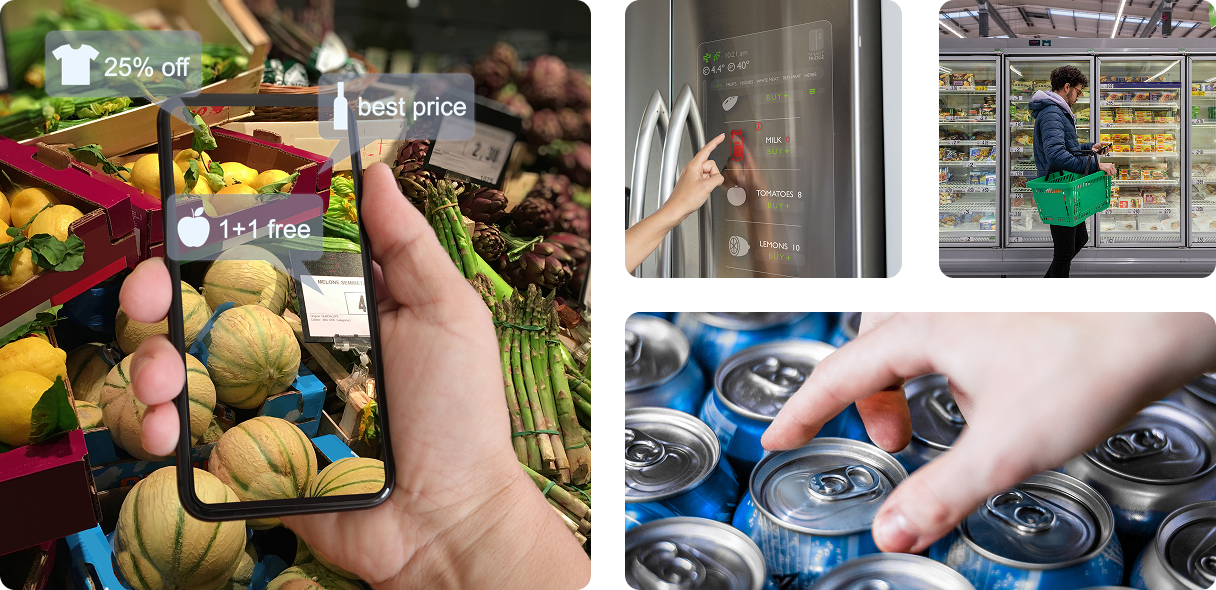
The term "phygital" is defined as the blending of digital experiences with physical ones, often in real-time.1 Sometimes referred to as an omnichannel customer experience, a phygital experience is meant to close gaps in shopper journeys in order to reduce friction, frustration and churn.2
The term phygital began growing in popularity almost a decade ago, fueled by excitement around immersive digital technologies like VR, AR, and other "Web 3.0" technologies. At the time, visionary marketers asked, "What if many of the physical things shoppers love could be digitized and delivered inside a Metaverse of virtual worlds? What real world value could this generate for brands and retailers?"
Cut to today, and this conception of phygital as "the digitizing of the real" remains largely science fiction. In 2015, Digi-Capital predicted that AR/VR could hit $150 billion in global revenue by 2020.3 As of 2023, the market for these immersive technologies had barely reached half of that number.4
But this is not the end of the story. A far more practical and actionable vision of phygital not only persists today, it’s thriving. Phygital experience design becomes mission critical when viewed as the strategic use of digital systems and data to improve not only e-commerce but every shopping touch point, both online and in person. When done right, the borders between online and offline become hybridized, fluid, and increasingly integrated into a single, seamless experience.
So let’s consider this. Grocery will become the largest e-commerce category by 2026, projected to almost double from 11.7% to 19% of all sales.5 But the real news is that, after a COVID-caused surge of online only grocery shopping, shoppers today are increasingly shopping for groceries both online and in-store (see chart).6 This means integrating online grocery shopping with in-person has never been more important.
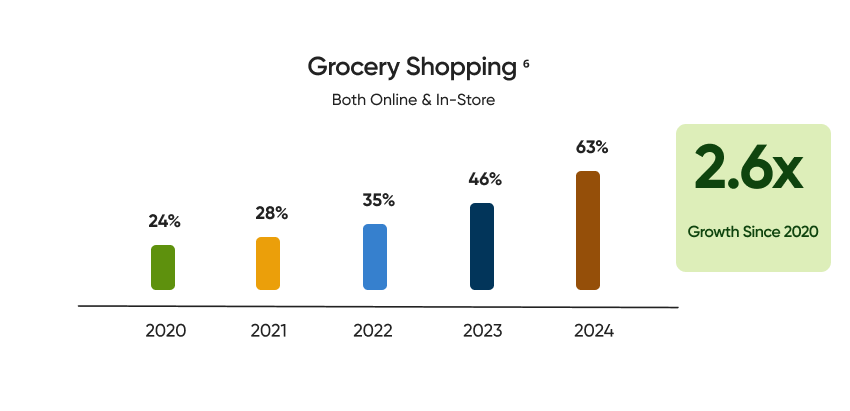
Ninety-five percent of online shoppers say they will continue to shop online for grocery items in the future, and heavy e-comm shoppers are making over 41 online trips per year, so this behavior is becoming much more habitual.7Hispanic and Gen Z shopper cohorts are growing fastest in e-commerce but still preferring to browse stores and discover new products in person more than other groups.8
The convenience channel is also seeing a growing percentage of sales generated online. And, as in grocery, the phygital ‘aha’ for convenience is that online and in-store can no longer be separated, especially as younger and more diverse shoppers value e-convenience due to its immediacy and comfort. Sixty-five percent of e-convenience shoppers live in urban areas (201 index), so it is critical to deliver a seamless omnichannel experience with these key shopper cohorts.9
And when shoppers do go in-store, nearly half (47%) use their phone to check prices, compare products, and check up on everything from pairing recommendations to recipes.10So what’s digital and what’s physical? Where does one end and the other begin? Exactly.
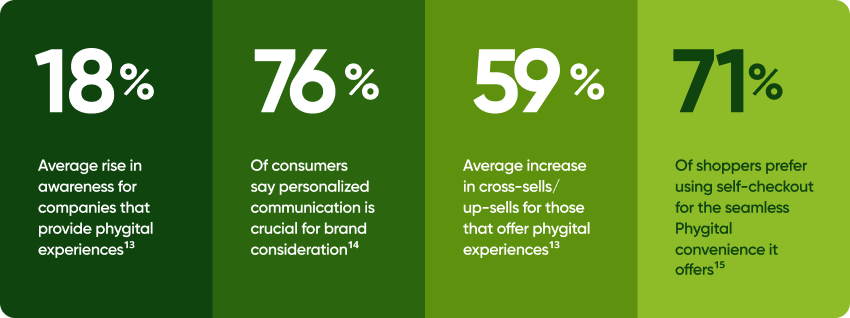
Today’s phygital doesn’t depend on future technologies or virtual realities. The future of phygital has arrived. The future is now. And the opportunity is enormous.