Why the Gen Z Paradox ... Isn’t:   Insights for Next Gen Experiences

August 2024•7 min Read
Image
paradox

INTRODUCTION

pepviz® is PepsiCo’s unique approach to using data & insights to foster partnership with our forward-looking food & beverage customers. In this article, pepviz continues our growth cohort series by shining a light on Gen Z. We explore the ‘contradictions’ that define this generation, reveal insights to reconcile them, and demonstrate through recent Gen Z initiatives how PepsiCo partnerships can create the most engaging, delightful, and growth-driving shopper experiences for the next generation. 

getting to know 
a new generation

Let’s start by defining our terms. Members of Generation Z were born between 1997 and 2012, making them 12 to 27 years old in 2024. We’ll refer to 12 to 18-year-olds as Little Z and 19 to 27-year-olds as Big Z. If you’re like many of the marketers, merchandisers, and retail buyers reading this article, there’s also a good chance you refer to at least one member of this cohort as my kid.

Gen Z represents about one in five Americans and, based on PepsiCo’s projections, will drive more than one-third of all liquid refreshment beverage sales by 2026.1 Snacks have already become the most common spending category for Gen Z teens.2

41% of Gen Z adults describe their financial situation as tight, struggling or in trouble, making them collectively less well off than shoppers in general due to their limited earnings and school loan debt.3

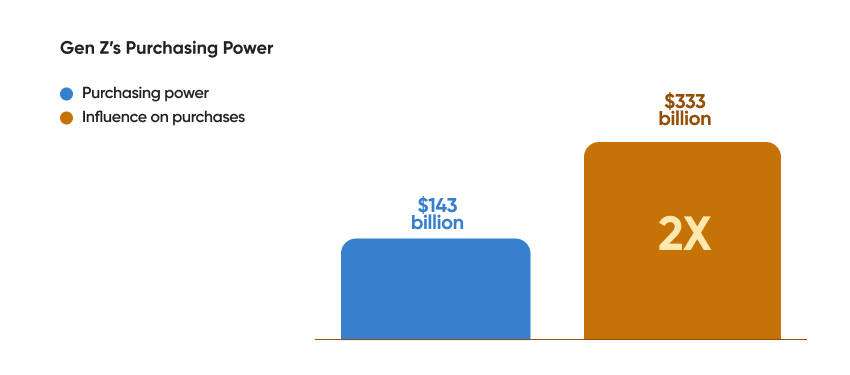
Yet despite these life stage headwinds, Gen Z’s influence on purchases is already enormous and their purchasing power will only accelerate in the coming decade:

Their purchasing power is currently $143 Billion, but their influence on purchases is more than double that at $333 Billion4 Their earnings are expected to triple from less than $10 Trillion today to more than $30 Trillion in the 2030s5 By 2034 Gen Z will surpass Millennials as the top-spending generation6

  • Their purchasing power is currently $143 Billion, but their influence on purchases is more than double that at $333 Billion4

  • Their earnings are expected to triple from less than $10 Trillion today to more than $30 Trillion in the 2030s5

  • By 2034 Gen Z will surpass Millennials as the top-spending generation6


Building life-long relationships today with Gen Z through delightful and memorable shopping experiences will reward retailers with lifetime value and loyalty that will literally continue to pay off for decades.

 
2034

When Gen Z surpass Millennials as
the top-spending generation

why is Gen Z so 
contradictory?

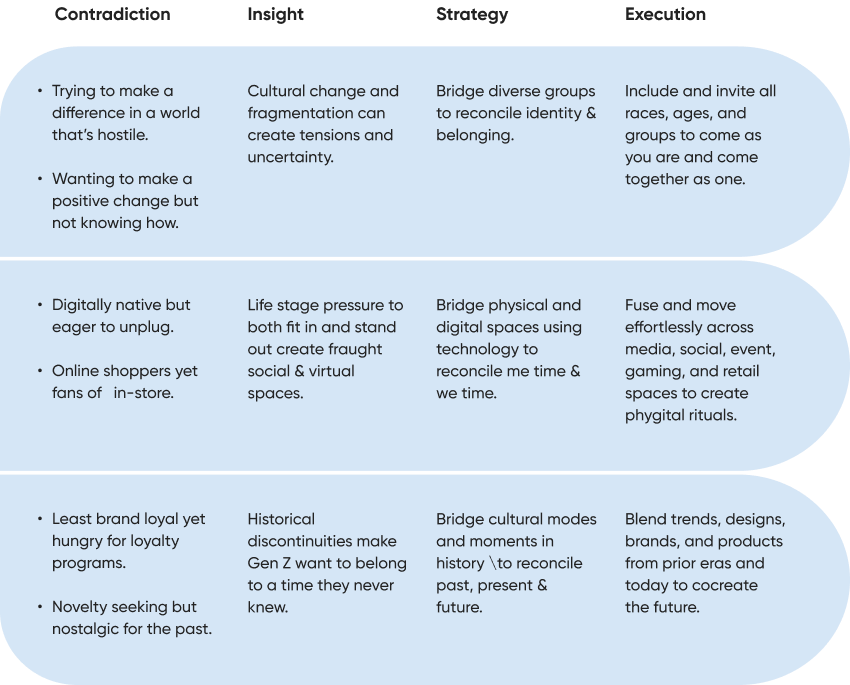
As many commentators have noted, Gen Z is defined by a series of contradictions that make designing experiences for them (and Little Gen Z’s shopper parents) confusing and more than a little challenging.7

In what follows we’ll explore three sets of core Gen Z contractions and then ask ourselves a key question:

What if these Gen Z contradictions… aren’t?

What if they’re just reflections of deeper underlying tensions we can turn into powerful shopper insights? 

We’ll unpack these insights and the retail strategies they unlock. And we’ll use examples of PepsiCo product innovations, cross-promotions, and retail partnerships to demonstrate how these apparent contradictions can be turned into actionable, growth-driving programs.

bridging contradictions 
of belonging

contradiction

Doomed to live in a broken world…
 yet optimistic they'll fix it

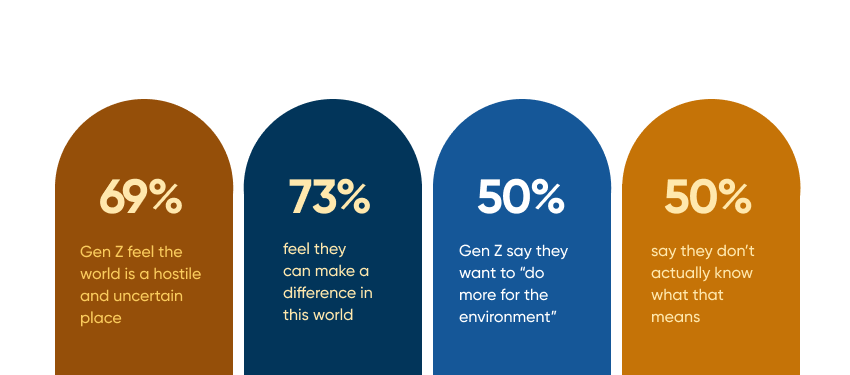
Most Gen Zers feel like they’re growing up in a hostile world, but even more think they can make a real difference if they take action.8 But while they want to do good by, say, doing more for the environment, many say they’re not exactly sure how to.9


insight

Cultural diversity & fragmentation create restlessness for change 

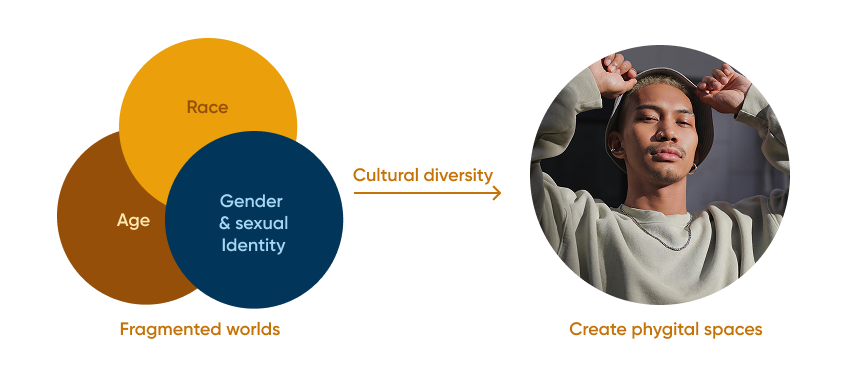
A large part of this contradiction is resolved by understanding that Gen Z isn’t one thing. Gen Z currently spans tweens in elementary school all the way to 27-year-old adults. Gen Z is also the most diverse generation in US history.  Almost half of Gen Z is non-white, making Gen Z the last majority white generation in American history.10 And over one in five identify as not straight.11

This means Gen Z is navigating the complex process of self-discovery and identity formation in an era marked by unprecedented cultural realignment. That’s hard and confusing. 

strategy

Bridge diverse groups to reconcile identity
and belonging 

This tension presents a unique opportunity to help give Gen Z a sense of identity and belonging. Build products and programs that celebrate diversity and cultural heritage while at the same time inviting all to participate. This will help Gen Z develop both their individual and group identities in accepting ways that welcome all to come as they are.


Case: STARRYTM

Lemon lime soda is universally loved, delivering $4.3B in retail sales in 2023.12 And Gen Zers love it even more (129 index on consumption).13 Unfortunately, Gen Z was defaulting to the leading brand not because it was connecting with them but simply because it was available.

The opportunity for PepsiCo? Create a lemon lime brand that rebuilds Gen Z’s sense of optimism and reflects the cohort’s vast diversity. Enter STARRY, PepsiCo’s fun, Gen Z lemon lime brand with refreshingly positive, slightly irreverent humor brought to you by the zestiest mascots ever, Lem and Lime.

STARRY told consumers it was ‘Time to See Other Sodas’ by partnering with Gen Z pop culture and sports icons on the world’s biggest stages – the Super Bowl and the NBA All-Star Game. Then STARRY broke the internet with wacky social content, top Gen Z influencers, bespoke merchandising collaborations, and giveaways on top dating app, Tinder.

results

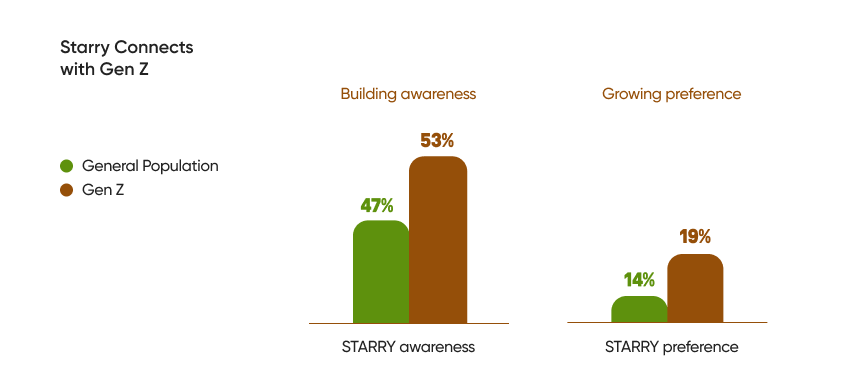
In the 15 months since launch, STARRY generated 57.2B earned media impressions14 and achieved 47% brand awareness15 and 11% household penetration.16 But STARRY really shines with Gen Z, who spent a whopping 954,000 hours on STARRY social channels17 since launch and outperform Gen Pop on key metrics such as preference.18 STARRY exceeded initial expectations and delivered $750MM in retail and foodservice sales the first year alone.19


UNITING DIGITAL AND PHYSICAL SPACES

CONTRADICTION

Digitally native…yet huge fans of in-store

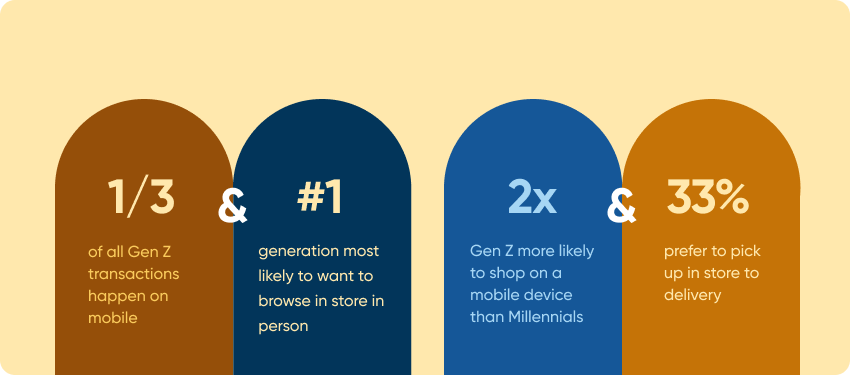
When it comes to shopping, Gen Z is twice as likely to shop on their mobile devices as Millennials,18 with one-third of all of their transactions taking place on these devices.21 But they’re also the generation most likely to want to browse in store in person23 and they’re more likely than shoppers in general to prefer picking up what they order in store over delivery.24 What could explain this?
 

INSIGHT

Technology complicates ‘social’ spaces and distracts from the real world

Gen Z isn’t just a generation. It’s a cohort going through a critical developmental life stage defined by the timeless struggle to fit in while also trying to stand out—the timeless story of coming of age. But Gen Z lacks many of the spaces (shopping malls, amusement parks, book stores) prior generations could rely on to meet people and socialize.

Add in always-on social media, constant social comparison, and limited real world contact and suddenly Gen Z’s complex relationship with technology makes sense. They’re dying to get out there and discover a wider world.

STRATEGY

Use media and technology to bridge virtual and physical spaces

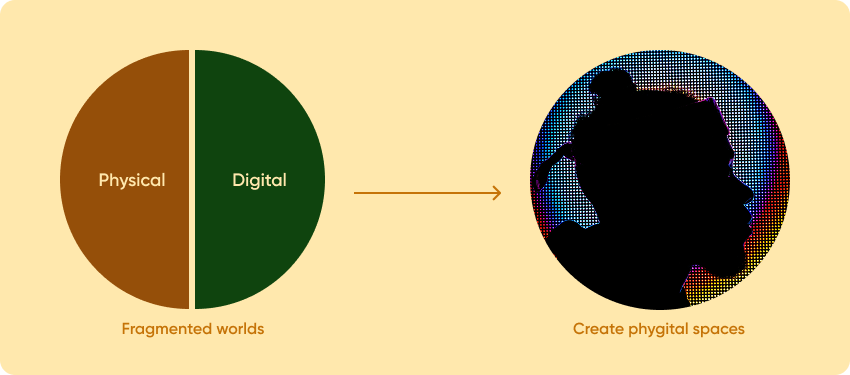
Create welcoming spaces and occasions for Gen Z to come together while also helping them find time and space for themselves. Unplug and play in the real world. Or plug in and relax in the virtual world. Or better yet? Create “phygital” points of engagement in both real and virtual spaces that bridge these spaces to create delightful, integrated experiences. In this way, retail spaces can once again become places of social experience and discovery, now amplified by technology.
 

CASE: JACK LINK’S X FRITO-LAY

Speaking of bridging spaces for a generation who enjoys shopping in store, bridging whole categories with epic instore displays also leads to big wins with Gen Z.

Bridging retail spaces – salty snacks meet the meat snacks

While Jack Link’s is Gen Z’s #1 trusted meat snack, boosting 81% awareness.26 the entire category under-indexes for this cohort vs. Millennials and Gen X.27

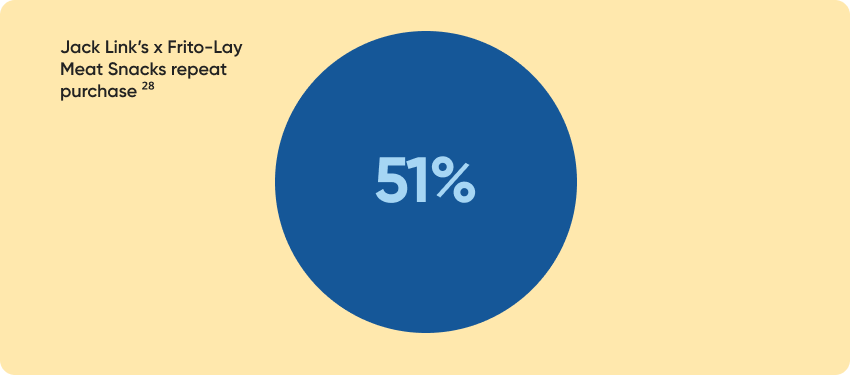
Frito-Lay partnered with Jack Link’s to create a new line of innovative meat snacks that blend Jack Link’s iconic Frito-Lay flavors that boast household penetration greater than 50% among Gen Z.28

And the best place to bring them together is in store. Using dedicated perimeter locations in both c-store and grocery, Jack Link’s and Frito-Lay created high impact displays that brought Gen Z’s favorite chips and flavors together with Jack Link’s meat snacks.

RESULTS

When you bridge spaces in store with innovative displays that can’t be missed you can enjoy a delightful bump in activity at check-out. Retailers with dedicated perimeter locations featuring Jack Link’s x Frito-Lay meat snacks on display, significantly increased unit velocities of the trend compared to stores without a display. Convenience stores saw 53% higher velocities and Grocery stores saw 32 more units sold per store per week across the Jack Link’s x Frito-Lay meat snacks portfolio.27


RECONCILING PAST, PRESENT, AND FUTURE

CONTRADICTION

Restless novelty seekers…hungry for loyalty and nostalgic for an absent past

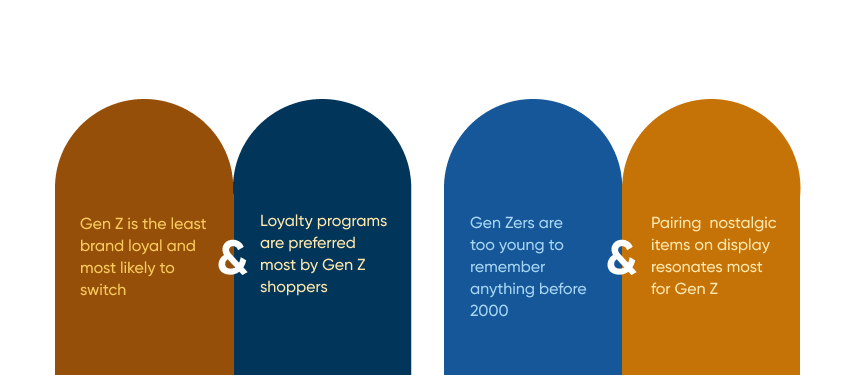
Gen Z are the most likely shoppers to switch in their quest for the new. So it may be strange to learn that they prefer loyalty programs more than any other shoppers.29 And while most are not old enough to remember or to even have been alive at the time, Gen Z are responsible for ushering in 90s and 2000s retro revivals in fashion, design, and music. Indeed, PepsiCo research shows that pairing nostalgic items on display resonates more with Gen Z than any other generation.30


INSIGHT

Historical discontinuity creates longing for a past Gen Z missed out on

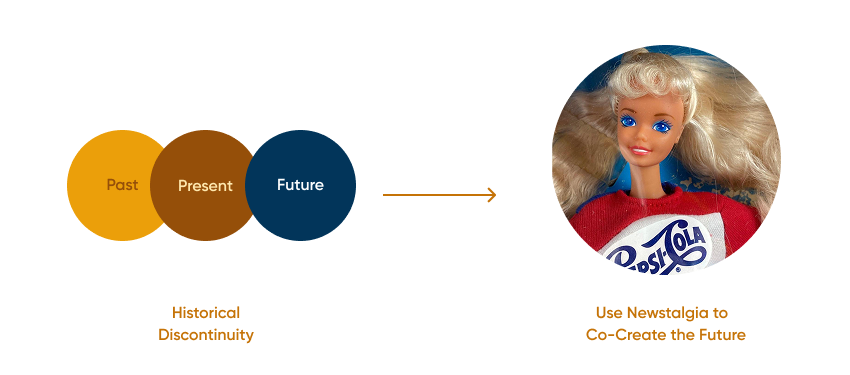
Gen Z’s lives have been marked by rapid technological change and disruptive economic downturns that represent disorienting breaks from prior living standards and norms. This, ironically, makes Gen Z the generation most likely to be nostalgic for the past even though they never experienced it, another apparent–not–really contradiction. Because they’re not missing the past. They’re missing what they missed out on.

STRATEGY

Bridge the past with today to co-create tomorrow

Gen Z is looking to the past to make sense of the future. Sometimes called Newstalgia or Nextstalgia, their interest in styles and products from prior eras isn’t about trying to return to a long-lost past but rather creatively re-imagining the past as a way to co-create the future.31 This understanding not only helps bridge these historical discontinuities, it helps bring generations closer together to co-create new rituals and lasting memories.


CASE: FRITO-LAY X HASBRO GAME OF SNACKS

Here’s another powerful example of bridging groups, spaces, and moments to help reconcile Gen Z’s apparent contradictions. Frito-Lay Variety Packs featuring America’s favorite snacks like Lays, Cheetos, and Doritos are packed with families and are enjoyed by over 50 million households.32 To welcome a new generation into family snacking rituals, with a focus on throw-and-go occasions like camping and road trips, Frito-Lay partnered with the venerable game maker Hasbro to create the “Game of Snacks”.

Bridging cultural moments – joyful play across generations

The Game of Snacks promotion used TV, digital, social, and on-pack messaging to give Gen Z and their parents a chance to bridge past and future and win a treasure chest full of Hasbro games. Introducing a new generation to The Game of Life and Chutes & Ladders at the same time as Lays and Doritos bridged the gap between the iconic playtime moments Millennial and Gen X parents remember fondly from the past with new, lasting memories they can co-create with their kids today.

RESULTS

The Variety Pack retail program that let shoppers play an AR version of the Game of Life off of our promotional packaging drove 90K scans as part of the 8-week program. The top performing ad of the Game of Snacks campaign featured Hungry Hungry Hippos and camping, and it scored in the 99th percentile with the parents of Gen Z. But you know what? It scored just as high with non-parents, and both older and younger shoppers.33 That’s what happens when you successfully build bridges between past and present to co-create the future.

from paradox to partnership

PepsiCo and our innovative partners understand that true insight comes from turning contradictions into creative opportunities that help us better connect with shoppers. When we look at Gen Z through the prism of these insights, we can reframe these contradictions as growth-driving strategies and powerful partnerships.

joining forces
for a new generation

We hope you found these pepviz insights inspiring and useful. And we hope you’ll reach out to continue the conversation and partner with PepsiCo to co-create innovative Gen Z programs for your own food & beverage channels. 

Together we will continue to use data & insights to reconcile apparent contradictions, build bridges, and partner to create win-win opportunities for all. That’s how we’ll continue to design the most delightful shopper experiences to create smiles with every sip and every bite, today and for generations to come.

pepviz is PepsiCo’s approach to using data & insights to foster partnership and drive growth with our forward-looking food & beverage retail customers.

  1. IRI HH Panel, 2023; PBNA Fractal Cube (5.0), 2023
  2. Mintel, Marketing to Gen Z, US, 2023 
  3. Kantar Profiles/Mintel, April 2023 
  4. US Kantar Monitor, 2022
  5. Kantar MONITOR, "Download on Gen Z" September 2022 
  6. PBNA CUBE, 2022
  7. https://www.retailtouchpoints.com/features/industry-insights/nrf-gen-z-panel-a-group-defined-by-its-contradictions
  8. PepsiCo Insights, Change Compass US 2024
  9. PepsiCo Insights, Change Compass US 2024
  10. lRb https://www.brookings.edu/articles/new-2020-census-data-shows-an-aging-america-and-wide-racial-gaps-between-generations/ 
  11. https://news.gallup.com/poll/611864/lgbtq-identification.aspx
  12. Circana, MULOC 52 weeks ending December 31, 2023
  13. Morning Consult Starry Study 2023
  14. Golin, Starry Earned Media Impressions, Q1 2023-Q1 2024
  15. Kantar BMS Quarterly Metrics, 4Q Rolling Ending Q1 2024
  16. Circana Panel, All Outlet 52 weeks ending December 31, 2024
  17. Tik Tok Business, Meta Business Suite & YouTube Analytics, Q1 2023-Q1 2024
  18. Kantar BMS Quarterly Metrics, 4Q Rolling Ending Q1 2024
  19. IRI 52 weeks ending December 31, 2023; FSR Database 2023; DSD, PDP Databases 2023; PBC ERT Reporting 2023
  20. Criterio 2022
  21. ThriveMyWay 2022
  22. PepsiCo DX Macroeconomic Pulse, 2023
  23. PepsiCo eCommerce Insights, Cohort Studies - Understanding the Gen Z Online Shopper, December 2023 
(index to Non-Gen Z Shopper)
  24. BASES Innovation Architect; Motive Emotional Heat Mapping 2022
  25. Spectra Demos - HH Penetration Index, 2023
  26. IRI Unify PNL Total Market 52WE 11/22/2023
  27. Circana Scan, 12 weeks ending 11/5/2023, Specific stores with and without displayW n?s 
  28. Circana Panel, All Outlet, 52 weeks ending 12/31/2023
  29. PepsiCo DX Shopper Habits Circana Survey Q2 2022 – Q4 2023; Kantar ShopperScape, Grocery Deep Dive, February/May 202Ù
  30. PepsiCo DX Latent Demand Research 2023
  31. Insights, Change Compass US 2024
  32. PepsiCo cDNA, Audience Segment Sizing, 2024
  33. ADA Finished Film (Amplify TV) – April 2024